
The historical evolution of casinos from ancient games to modern gambling thrill
The Origins of Gambling in Ancient Civilizations
The history of gambling can be traced back to ancient civilizations, where various forms of games of chance were prevalent. Evidence from archaeological finds shows that ancient Chinese, Egyptian, and Roman societies engaged in gambling activities. The Chinese used tiles and rudimentary dice for games of chance as early as 2300 BC, while the Romans created sophisticated betting systems that included chariot races and gladiatorial contests. These early forms of gambling laid the groundwork for the diverse array of games we see today, including innovative options like offshore casino experiences.
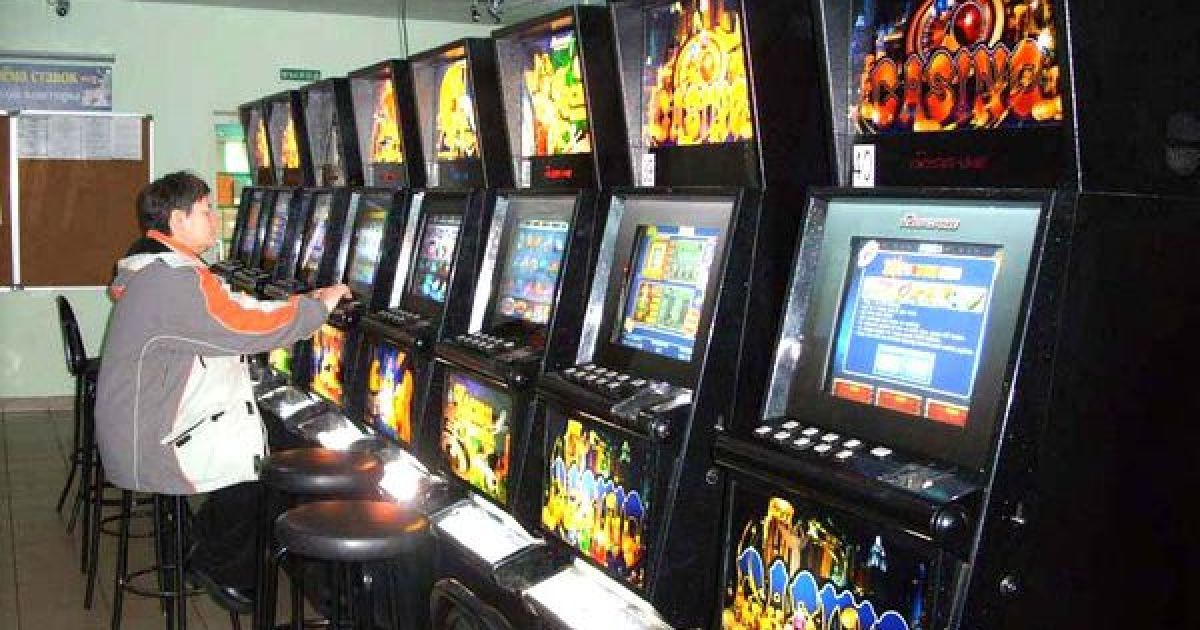
In addition to the games themselves, ancient civilizations established the first rudimentary rules and customs around gambling. These early systems created social and economic dynamics that made gambling a communal experience, setting the stage for the later development of more organized gaming venues. The allure of chance and the potential for rewards made gambling an integral part of cultural practices across various societies.
The Rise of Formalized Gaming Houses in the Middle Ages
The Middle Ages saw the evolution of gambling from informal social gatherings to more structured establishments. In Europe, gambling houses began to emerge, driven by the demand for regulated environments where patrons could safely engage in gaming. The first official gambling house is often credited to Venice, where the term “casino” originated, meaning a small house or villa. This marked the transition from mere games of chance to the inception of commercial gambling venues.
During this period, games like dice, card games, and early forms of roulette gained popularity. These establishments not only provided entertainment but also became social hubs for the elite. The concept of betting on games began to formalize, leading to the establishment of rules and the first forms of house advantages. This period set the foundation for the modern casino structure, where the environment is designed to entice players while ensuring profitability for the operators.
The Birth of Modern Casinos in the 18th Century
The 18th century marked a significant turning point in the history of casinos with the establishment of the first official modern casino, the Casino di Venezia, in Italy. This era witnessed the birth of various classic games, including baccarat and roulette, which began to dominate the gambling scene. The design and architecture of casinos also evolved, showcasing luxury and opulence that attracted high rollers and casual gamers alike.
This period also saw the spread of casinos across Europe and eventually to the United States, where gaming began to flourish in places like New Orleans. The American West brought its own unique flavor to the gaming culture, combining European influences with local traditions. The concept of gambling transformed into a legitimate form of entertainment, appealing to a broader audience and leading to the expansion of gaming operations.
The Impact of Legalization and Regulation on Gambling
The legalization of gambling in various jurisdictions during the 20th century revolutionized the casino industry. Governments recognized the potential for tax revenue and economic growth, leading to the establishment of regulated gaming environments. This shift not only legitimized gambling but also provided essential consumer protections, fostering a safer and more reliable experience for players.
With the legalization came the rise of iconic destinations, such as Las Vegas and Monte Carlo, where casinos became synonymous with glamour and excitement. Marketing strategies became more sophisticated, targeting tourists and locals alike. The integration of technology, such as slot machines and electronic gaming devices, transformed the landscape, making gaming more accessible and appealing to a wider audience. This evolution continues today, with the rise of online casinos and mobile gaming, expanding the reach of gambling even further.

Ensuring Safety and Security in Modern Online Gambling
As the casino industry has evolved, ensuring user safety and security has become paramount, especially with the growth of online gambling. Many platforms focus on protecting users from online threats, implementing advanced security measures to create a safe browsing environment. Transparency in communication is essential, offering clear guidance when access to gaming sites is blocked and facilitating user inquiries.
Online casinos strive to balance user experience with security, ensuring that patrons can enjoy a thrilling gaming experience without compromising their safety. This commitment to protecting players not only fosters trust but also contributes to the ongoing growth and evolution of the casino industry in the digital age. As technology advances, the landscape of gambling continues to change, with safety remaining at the forefront of modern gaming practices.
Leave A Comment